



Cartagena
Where to Stay
History
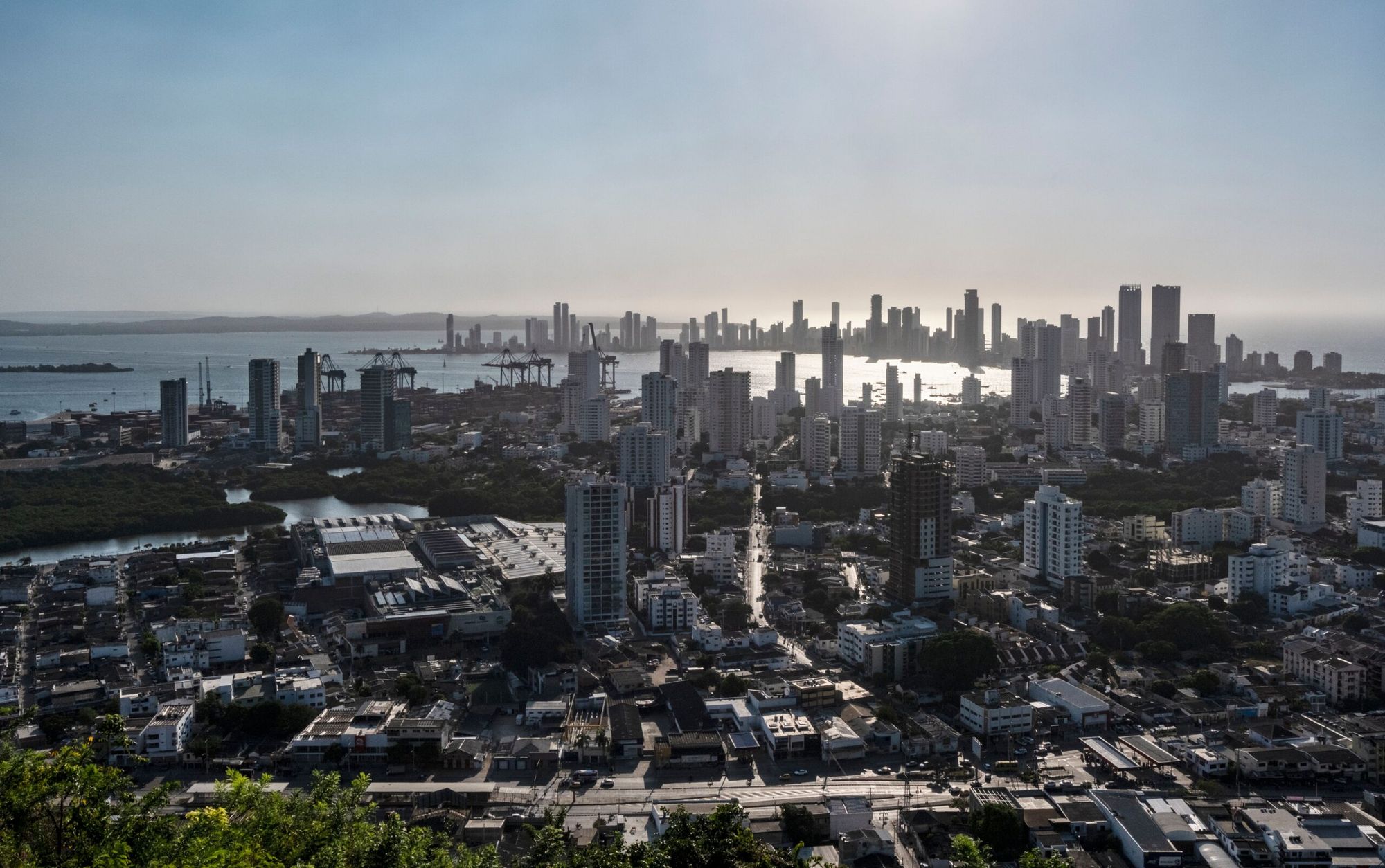
Cartagena de Indias, located on Colombia’s Caribbean coast, is one of the country’s most historic cities. It was founded on June 1, 1533, by Spanish conquistador Pedro de Heredia. Its strategic location soon made it an important port for trade between Spain and the Americas.
During the colonial period, Cartagena became a major center for maritime trade. Gold, silver, and other goods passed through its harbor. The city was also involved in the transatlantic slave trade, which left a lasting mark on its history and culture.
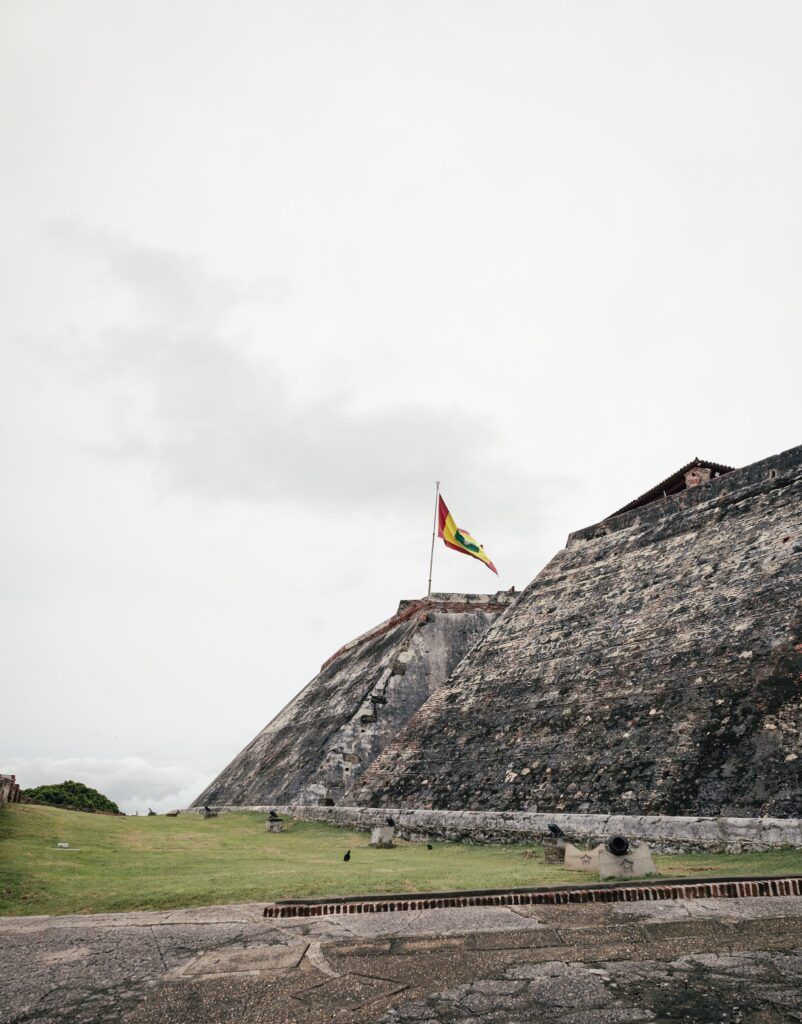
The city’s wealth attracted pirates and foreign armies. To protect it, the Spanish built massive defensive walls and fortifications, including the impressive Castillo San Felipe de Barajas. Many of these structures remain important landmarks today.
Cartagena declared independence from Spain in 1811. In 1815, Spanish forces besieged the city, causing severe suffering among its inhabitants. Its resistance earned Cartagena the nickname “La Heroica,” meaning “The Heroic City.”
Today, Cartagena is known for its colorful colonial architecture, historic plazas, and Caribbean atmosphere. Its fortified historic center was designated a UNESCO World Heritage Site in 1984. The city remains one of Colombia’s most visited cultural destinations.
Major Sights
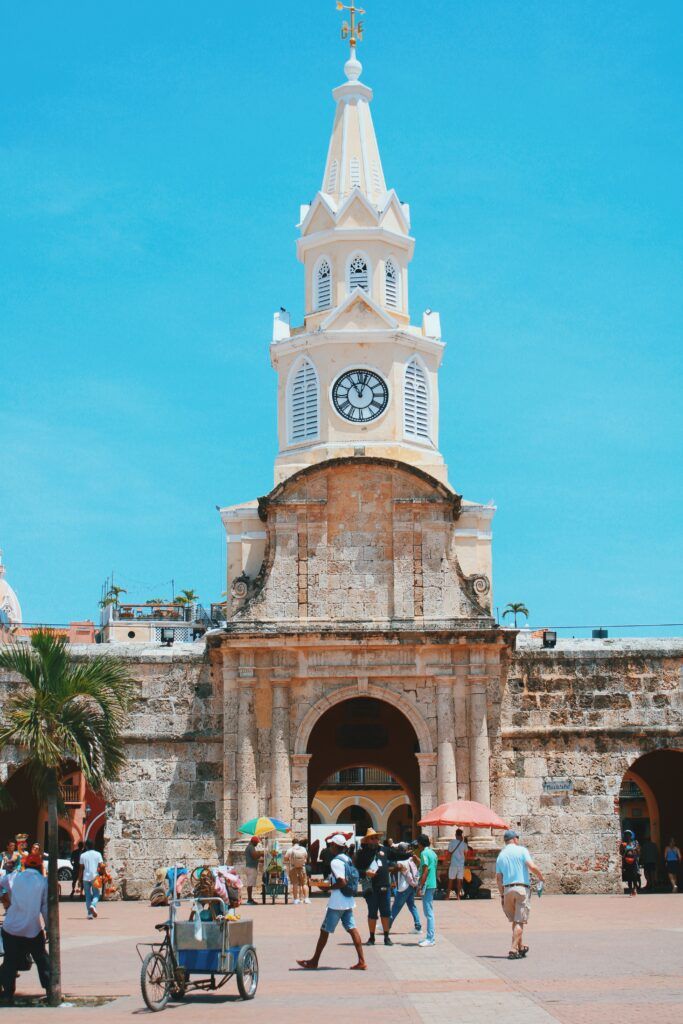
Cartagena is home to historic fortifications, colorful colonial streets, beautiful plazas, and important cultural landmarks. Its old town reflects centuries of Spanish colonial history and Caribbean influences. Visitors can explore impressive architecture, historic churches, and lively public spaces throughout the city.
Must-see places:
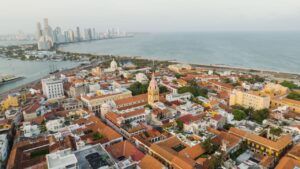
Cartagena Cathedral
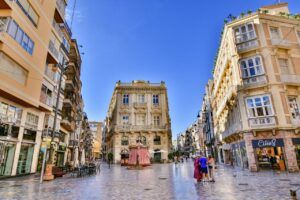
Cartagena plaza
Natural attractions
Cartagena is surrounded by beautiful Caribbean landscapes, tropical vegetation, and scenic coastal areas. The region offers opportunities to explore mangroves, lagoons, and diverse marine environments just beyond the historic city.
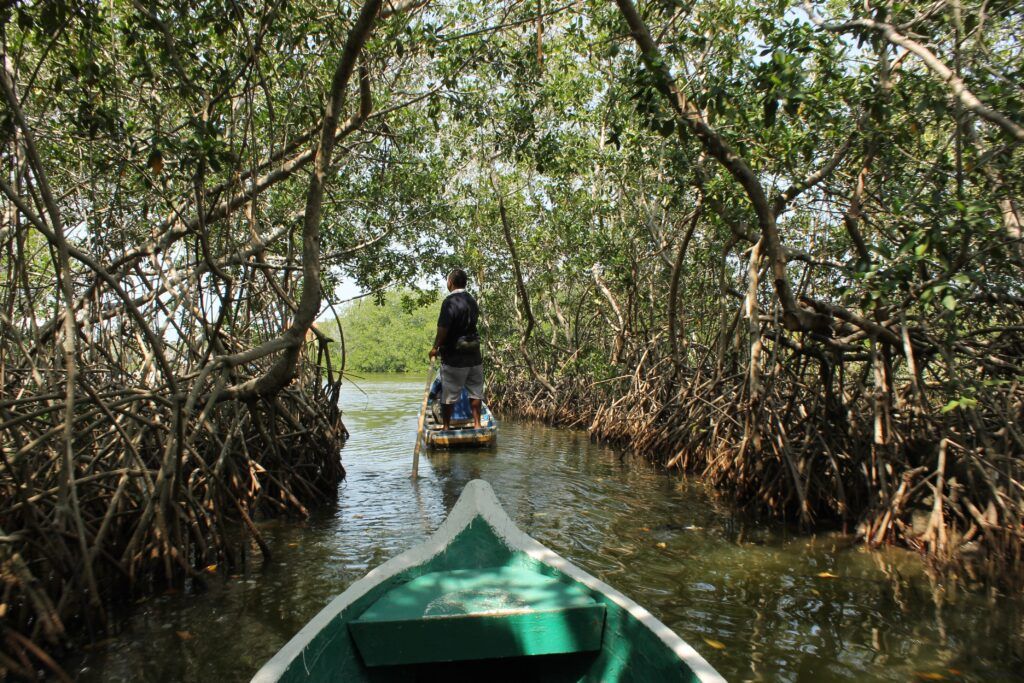
Vista da Lagoa da Conceição
Protected Natural Areas
Cartagena is close to several protected ecosystems that preserve mangroves, coastal wetlands, coral reefs, and tropical wildlife. These areas play an important role in protecting the region’s biodiversity and maintaining the natural balance of the Caribbean coast.
Áreas Naturais Protegidas
Beaches
Cartagena offers a variety of Caribbean beaches, from lively urban shores to quieter stretches of sand outside the city. Visitors can enjoy warm waters, boat trips, water sports, and relaxing views of the tropical coastline.

Playa Cartagena

Culture
Cartagena’s culture reflects a rich blend of Spanish, African, and Indigenous influences. The city is known for its lively music, traditional dances, colorful festivals, local cuisine, and vibrant street art. Its cultural identity is especially visible in the historic neighborhoods, where Caribbean rhythms and traditions remain an important part of everyday life.
Igreja Nossa Senhora da Conceição da Lagoa
Experiences
Cartagena offers a wide range of experiences, from exploring the historic old town and tasting traditional Caribbean dishes to sailing around nearby islands. Visitors can enjoy boat trips, snorkeling, sunset cruises, local markets, and guided cultural tours that reveal the city’s history and everyday life.

Surfe